Footballers need structured sports performance training that prepares the body for the demands of the game, improves performance, and reduces injury risk.
Football is a game of speed, power, agility, endurance, and intelligence. Talent alone is never enough. To perform at a high level, footballers need structured sports performance training that prepares the body for the demands of the game and reduces the risk of injury.
Sports performance training is designed to help footballers run faster, move smarter, stay stronger, and perform consistently for the full 90 minutes.
Football is a high-intensity intermittent sport. Players constantly switch between sprinting, jogging, accelerating, decelerating, jumping, tackling, and changing direction.
In a single match, a footballer may sprint dozens of times, change direction hundreds of times, jump and land repeatedly, and maintain concentration for 90+ minutes. This requires a complete athlete, not just someone who can run.
Football Performance Pillars
Speed and acceleration training focuses on sprint mechanics, acceleration drills, resisted sprints, and reaction starts. Improving speed helps players win one-on-one battles, reach loose balls first, break defensive lines, and recover quickly on defense.
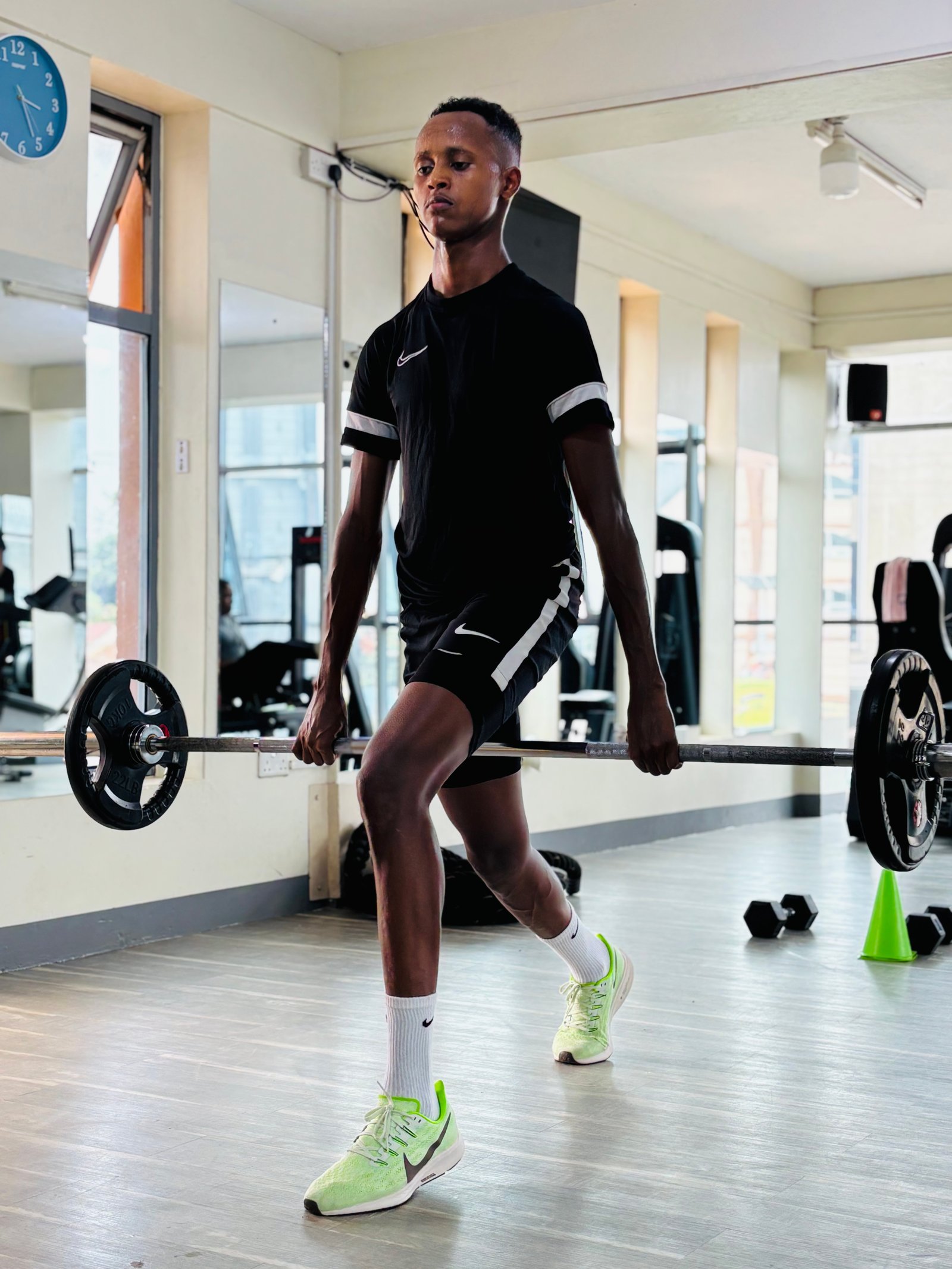
Strength and power development builds lower-body force, core stability, and upper-body strength for balance and shielding. Common exercises include squats, lunges, deadlifts, step-ups, and plyometric jumps. This improves sprint power, jump height, tackling ability, and physical dominance.
Agility and change-of-direction training uses cone drills, ladder drills, reaction drills, and multi-directional sprints. This helps players dribble past opponents, defend effectively, keep balance during sharp cuts, and reduce knee and ankle injury risk.
Endurance and conditioning work includes interval running, shuttle runs, small-sided games, and tempo runs to maintain intensity throughout the match, recover faster between sprints, and stay sharp in the final minutes.
Core and stability training strengthens abdominals, obliques, lower back, and deep stabilizers through planks, side planks, dead bugs, and rotational drills. A strong core improves shooting power, posture, balance, and body control.
Injury prevention and recovery include mobility, flexibility, hamstring and groin strengthening, and balance work. Staying injury-free means more training time and better match performance.
The mental edge matters too. Sports performance training builds focus, confidence under pressure, discipline, consistency, and competitive mindset. The stronger the mind, the stronger the performance.

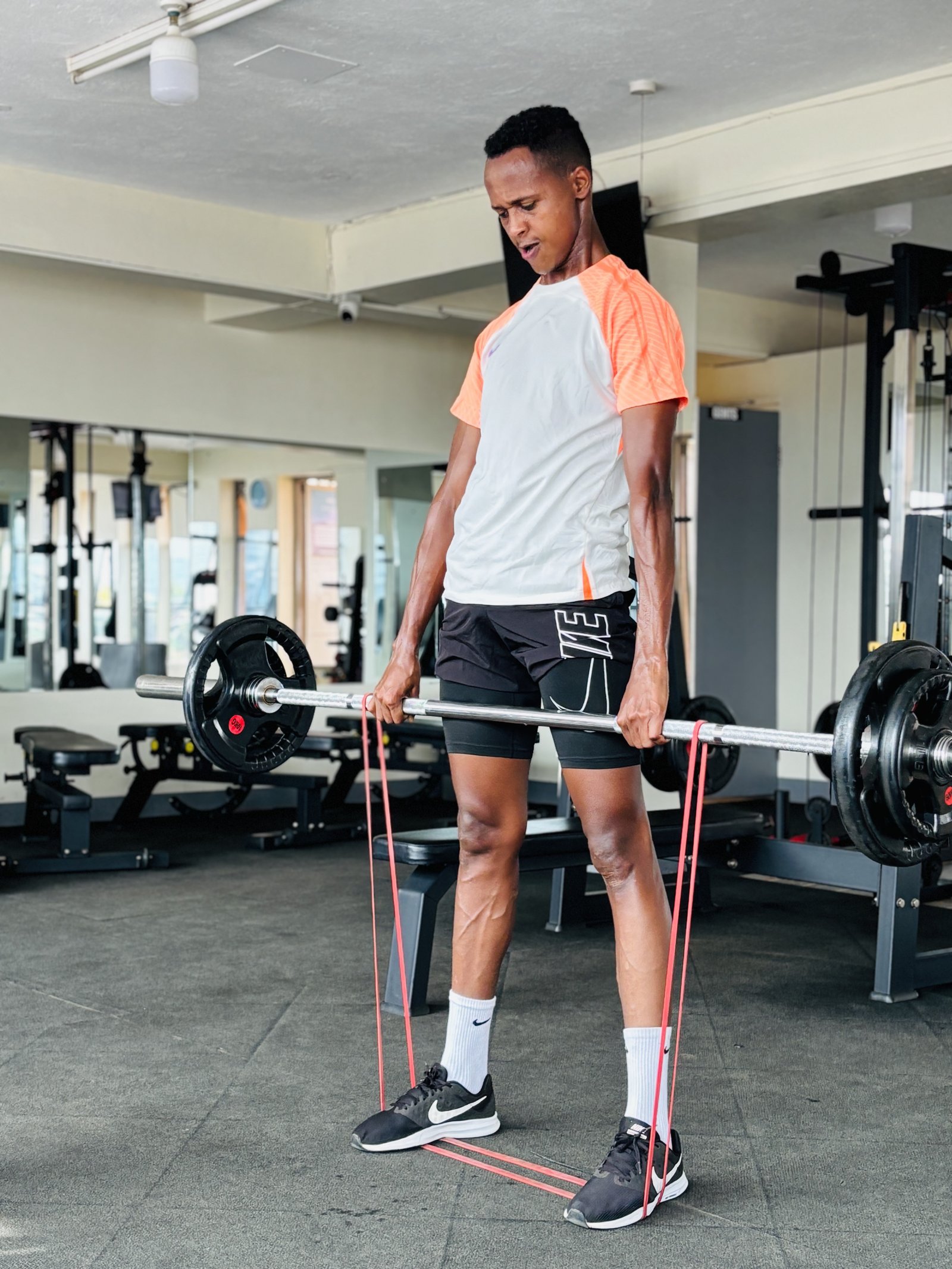
Sports performance training turns footballers into complete athletes. It prepares the body for match demands, improves performance, and builds resilience for the long season.
When training is structured with purpose, intensity, and recovery, players perform better when it matters most.
“Train with purpose. Train with intensity. Train to perform when it matters most.”
Coach Sabastian
Founder, Sabastian Fitness
The goal is not only to train hard. The goal is to become complete: faster, stronger, smarter, and ready for every minute of the game.